
I Was Rear-Ended Driving in A Construction Zone. What Should I Do?
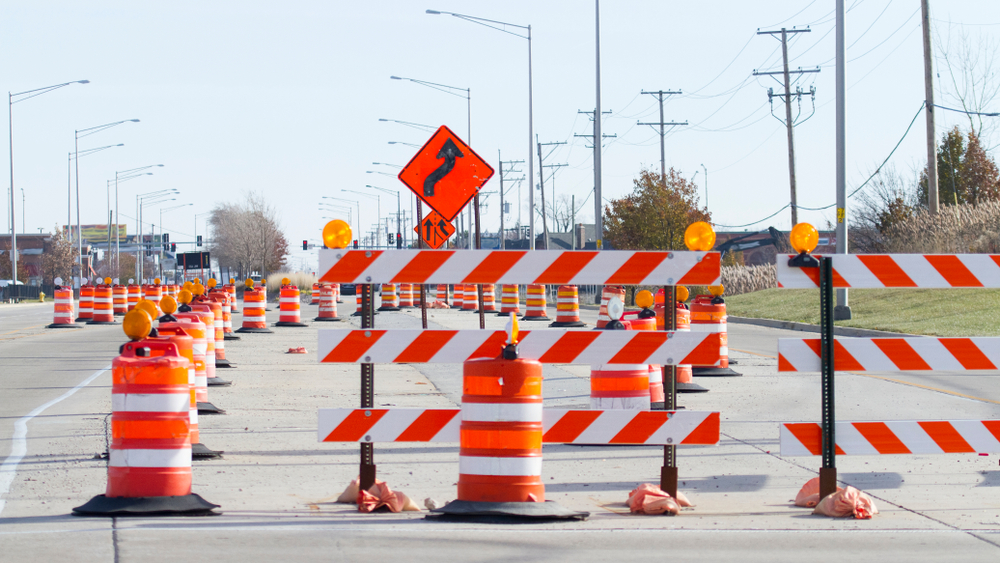
Roads are always under construction or repair across the country. When highways, expressways, and other larger areas are being worked on, there is usually lots of disruption. These work zones play an important role in keeping the nation’s roads in good condition. However, the changes in traffic patterns, increased truck traffic, and dug up roads create increased hazards for motorists. If you got into an accident in a construction zone and it was not primarily your fault, you deserve to get compensation. Working with an experienced car accident lawyer will be essential. Let’s look at some of the factors in these types of accidents before outlining the steps you’ll need to take if you get rear-ended.
Causes of Construction Zone Accidents
Roadworks often result in a reduction in lanes. If motorists don’t notice the change or they fail to adapt, accidents can occur. Narrowed lanes can also cause vehicles to scrape against each other if the drivers don’t pay attention. All the changes and detours can make drivers get flustered or frustrated, making collisions more likely. Debris, traffic cones, and other road obstacles can also increase the likelihood of accidents.
Have you or a loved one been involved in an accident? Speak to a lawyer for a free no obligation consultation
Or call us at (888) 699-7975
As with other types of traffic crashes, distracted driving can cause accidents in construction zones. In addition, drivers may ignore the reduced speed limit in these areas and this can also be dangerous. Being on the lookout for hazards when you enter a work zone can help you to avoid accidents. Of course, even if you’re careful, you can’t control the actions of other motorists.
Statistical Data on Work Zone Accidents
There are thousands of crashes in construction zones each year. Many result in non-life threatening injuries but some are fatal. Construction zone fatalities have fluctuated over the years. They peaked at 1,186 in 2002 before declining and increasing again. In 2018, there were 671 fatal crashes in work zones resulting in 754 fatalities. Two hundred and three of these crashes were truck-involved. This doesn’t necessarily mean that trucks caused the accidents. In addition, in some cases, trucks hit pedestrians, other vehicles or objects while in others, a vehicle hit the truck. Meanwhile, 121 of these accidents involved pedestrians. However, in some cases, the driver rather than the pedestrian was killed.
State Safety Programs
Given the prevalence of accidents in construction zones, some states have launched programs to educate drivers about the dangers of not exercising caution. Motorists are urged to exercise an appropriate level of care when in chaotic work zones. When drivers fail to follow the necessary protocols, they can be held liable for any injuries they cause. In some states, fines and other penalties are harsher when a driver is cited in a construction zone. This is aimed at deterring other motorists from acting negligently.
Seeking Damages
If you suffered injuries
because another driver rear-ended you, you can seek compensation for your
losses. Medical expenses are usually the biggest expense but you may also be
able to recover damages for lost income, lost earning capacity, property
damage, pain and suffering, and other losses.
In some cases, your accident may be due to
someone other than another driver. Sometimes a government department or a construction
company is responsible. This may be because they failed to properly alert
drivers of the dangers in the work zone or were otherwise negligent. Your
lawyer will help you to identify the correct defendant.
What to Do Immediately After the Accident
What you do after the crash is very important. Even if you think your injuries are minor or you don’t believe you’ll file a claim, you should still err on the side of caution. Even if you are convinced that the accident was your fault, you need to take the correct steps. Depending on the jurisdiction in which the accident occurs, you may still be able to recover damages even if you were partially at fault. Following the accident, you need to:
Check Yourself for Injuries
After an accident occurs, you must determine if you were injured. At this point, your adrenaline could be masking trauma and pain. You will need to look yourself over and identify any possible injuries. Ask yourself:
- Can I move?
- Does anything hurt?
- Is anything broken?
- Am I bleeding?
- Did the airbag deploy?
- Did I hit my head?
- Was I unconscious?
These questions may seem overwhelming. However, they can give you an idea of how serious your injuries are before you go to the doctor. The first four questions go together. If you can move, that may indicate that there is not a serious spinal injury.
Even though your adrenaline is high, you may still feel some pain. You need to seek out the sources of any pain. Finding sources of pain will help you determine if you have broken anything. If you haven’t broken anything, it is possible that you have sprained or fractured a bone. Meanwhile, finding blood and identifying the source will help identify a minor laceration from impalement. If you have something protruding from your body, do not pull it out.
Airbags can be a blessing and a curse. It is possible for an airbag to cause injury if the driver or passenger is not seated a proper distance away from the airbag. From 1987 to 2017, an estimated 50,457 lives have been saved by airbags. That’s because these safety devices can detect if the impact of a collision is above a certain threshold. If the impact exceeds this threshold, the airbag deploys to work in tandem with the seatbelt.
Head injury assessment is also important in an accident. If consciousness was lost, it could indicate a concussion. This also means that it is possible you will lose consciousness again if the concussion is severe.
Check Other People Who Were in the Accident
The next step is to check on anyone else involved. This includes your passengers and anyone else in the accident. Follow the same set of questions that you used to check yourself for injuries.
Call 911
It doesn’t matter if the accident is minor, you should call 911. Authorities need to be called to the scene to professionally assess for injuries and you’ll need a police report.
Move To Safety
If you can still drive your car, it needs to be moved to the side of the road. Leaving a car in the road where an accident occurred can create more hazards. This also opens you and others up to secondary collisions. If your car is not able to be moved, leave it where it is and turn on your flashers. This will at least alert other drivers of the accident. You need to get out of the car as soon as it is safe to do so. Finding yourself a safe spot on a sidewalk or a shoulder can protect you from another collision.
Exchange Information
There needs to be an exchange of information between you and the other party involved. This is information that will be collected by a police officer, but you need to collect it for your personal records and your attorney. This information includes:
- Full name and all contact information
- Car insurance company and their contact information
- Car insurance policy number
- Driver’s license number
- License plate number
- Make, model, and year of the vehicle
- Location of the accident
Avoid discussing the accident with the other driver. It is important to not admit fault or apologize since this could be used against you later.
Collect Evidence
If you decide to file an insurance claim or personal injury lawsuit, you will need evidence to support your side of the story. Your attorney will play a major role in building your case but if you’re physically able, you can begin collecting evidence at the scene. Try to:
- Get the names and badge numbers of the law enforcement officers who respond to the accident.
- Ask where you can get your copy of the accident report they prepare.
- Take pictures of the accident scene including road conditions, license plates, car damage, and the area surrounding the accident.
- Get contact information for any eyewitnesses.
Contact Your Insurance Carrier
As soon as you have collected all the information from the accident, you need to call your insurance company. Have them explain to what you need to do for the claims process and let your attorney help you to quantify your losses.
Get An Experienced Lawyer on Your Side
Insurance claims for an accident can get complicated. Sometimes dealing with the insurance company feels like more trouble than it is worth. It is important to remember, though, that you don’t have to do it alone. Personal injury lawyers available that can help you gather the evidence and present your case. They can also negotiate with the insurance company to ensure you get the compensation you deserve. Accidents in construction areas can be intimidating. The process of recovering damages doesn’t have to be.